
The Complete Guide to Grinding Machine Types & Uses
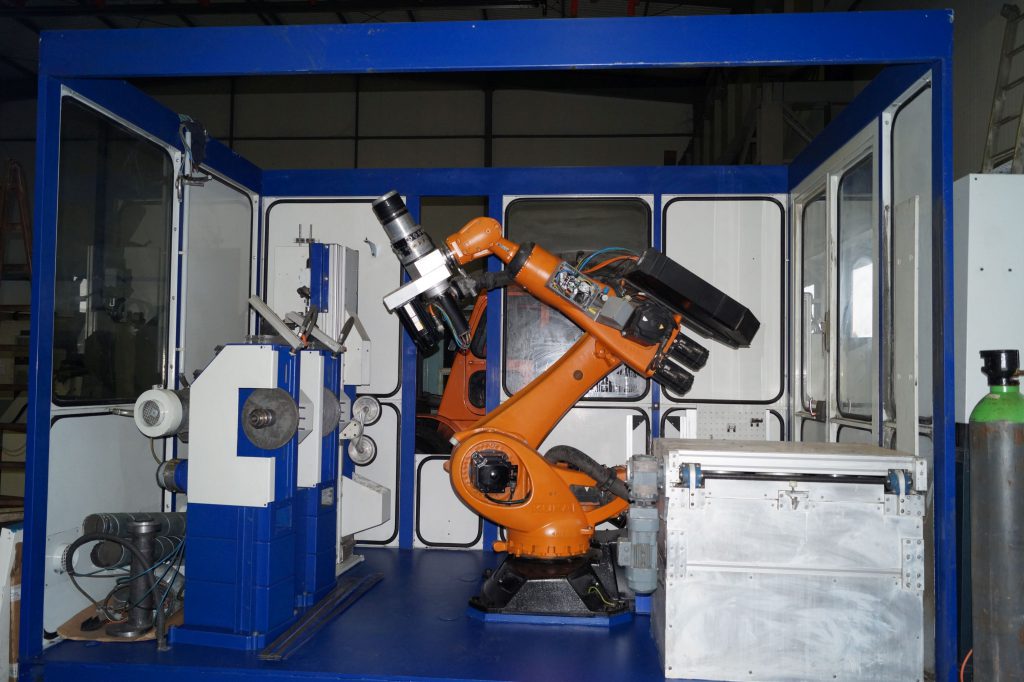
An industrial grinding machine is an indispensable tool in precision engineering and metal working. In a small factory or plant, grinding systems sharpen tools, grind surfaces, and trim parts to precise specifications. Automotive to space technology applications are diverse and universal.
We will show you the different types of grinding machines, their general application, and their applications in different industries in this ultimate guide.
What is a Grinding Machine?
A grinder or industrial grinder is a machine tool that uses an abrasive wheel as the cutting tool. The basic function is to grind the work surface of a workpiece. Grinding has the ability to achieve very fine finish and precise dimensions and therefore grinder systems find extensive application in industries where high precision is required.
Grinder systems never use single-point cutting, such as milling machines or lathes. Grinding machines use a wheel made of rotating abrasive particles.
Types of Industrial Grinders
There exist numerous types of industrial grinders, and each one of them is there for a given task and materials. Some of the most common types include the following:
1. Surface Grinding System
Among the most frequent types, the surface grinder will prove to be the best one for offering a high-quality finish on plane surfaces. The work material is fixed on a reciprocating table under a rotating abrasive wheel. The machines have a broad application in tool rooms, die shops, and finishing of precision parts.
2. Cylindrical Grinding Machine
It is employed to grind the surface on the exterior of the cylindrical parts. The work piece is faced with the rotating grinding wheel while it is rotating and taper and straight grinding can be attained. It is utilized normally in the manufacture of axles, shafts, and other components of the cylindrical type.
3. Centreless Grinding System
Centreless grinders are cylindrical grinders without a chuck or a central axis. Workpiece is mounted on a blade and drawn through between two wheels – grinding wheel and regulating wheel. It suits mass production when uniformity and speed have to be obtained.
4. Internal Grinding Machinery
Internal grinders, as indicated by name, are employed on interior surfaces of workpieces. The wheel is tiny and is inserted within the workpiece in an attempt to grind bores or holes. They are utilized mostly in the precision tool-making and engine parts industry.
5. Tool and Cutter Grinders
Employed primarily for grinding and cutting milling cutters, drills, and the like, this grinding machine is a common fixture in tool repair and tool making. Due to its precision and versatility, it finds use in prolonging the life of costly tooling equipment.
6. Bench Grinder
Common in most workshops and garages, the bench grinder is a hand-held manual grinder used for sharpening tools, stripping rust, or deburring parts. While less sophisticated compared to industrial grinders, it's an indispensable tool in routine maintenance procedures.
General Uses of Grinding Machines
The uses of grinding machines are not just confined to ordinary sharpening. These are where they're primarily utilized:
- Precision Finishing: Grinding is precise and surface finish which machining may not always provide.
- Tool Sharpening: Sharpening tools such as chisels, drill bits, and cut blades to make them sharp and productive.
- Surface Preparation: The surface has to be smooth before applying or treating it.
- Material Removal: Quick and efficient way of removing unwanted material without damaging the workpiece.
- Component Shaping: Employed for shaping parts in a manner that enables achieving its fit into large assemblies with accuracy.
Points to Ponder While Selecting an Industrial Grinder
While deciding on the most appropriate grinding machine, remember the following:
- Material Type: Different machines suit different materials such as metal, ceramic, or composite.
- Tolerance Needs: For accurate work, advanced grinders with a small runout are required.
- Quantity of Work: For mass production, centreless or robot grinding systems are ideal.
- Space Availability: Bench grinders take up less space, while surface and cylindrical machines need more floor space.
Final Thoughts
The role played by the grinding system in the present industrial scenario cannot be underscored. From precision surface finish to producing internal bores and cutting tool sharpening, grinding machines are tasked with providing precision and quality. Be you in a factory setting, fabrication plant, or specialty toolroom, the ability to select the right type of industrial grinder to use can be the deciding factor between productivity gain and the finish level.
Putting money into the proper equipment and keeping it in good condition assures generations of reliability, greater productivity, and consistent returns - all of them essential for competitiveness in the modern factory.
Whether you are looking to acquire heavy machinery, sell your existing industrial assets, or have questions about a listing, our experts are here to help.
Contact Us